
What Does the Shift to Smaller Bags Mean for Bag Manufacturers?
Smaller bags change production: higher labour share, worse material yield, post-bed sewing, tight edge radii and new MOQ pressure on wholesale programmes.
Bag industry trends and insights
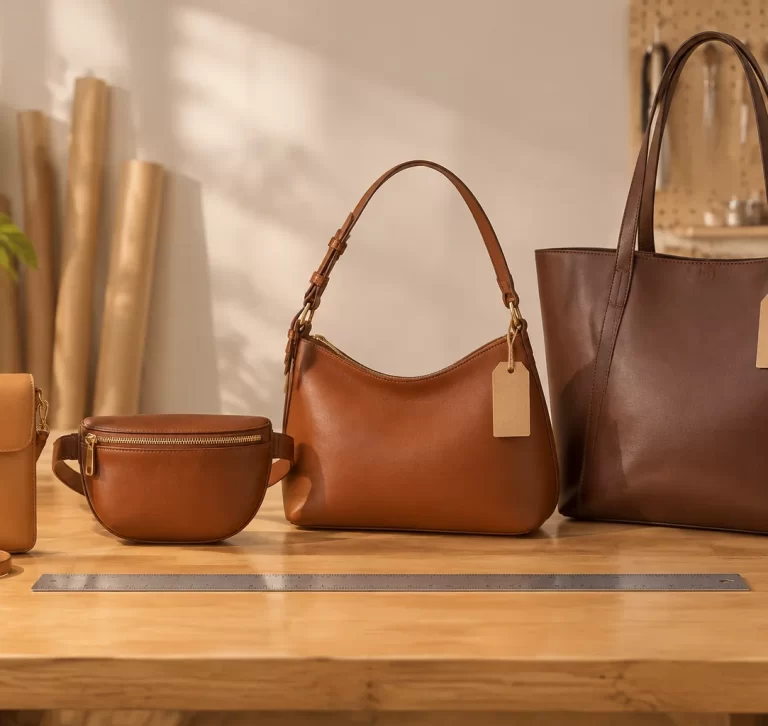
Smaller bags change production: higher labour share, worse material yield, post-bed sewing, tight edge radii and new MOQ pressure on wholesale programmes.
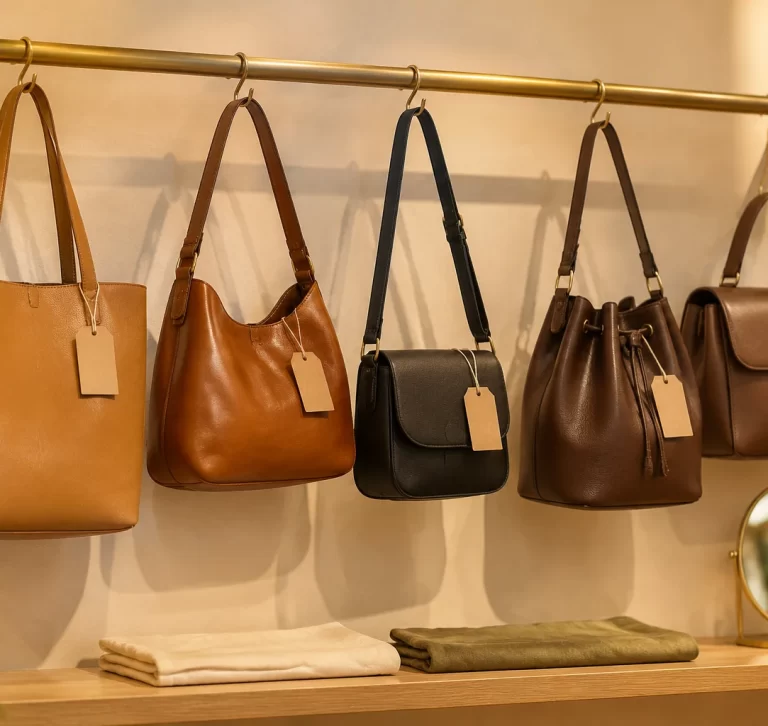
Resale value is changing what buyers specify: durability tests, hardware plating, repairability, colour choice and a resale-ready bag checklist.
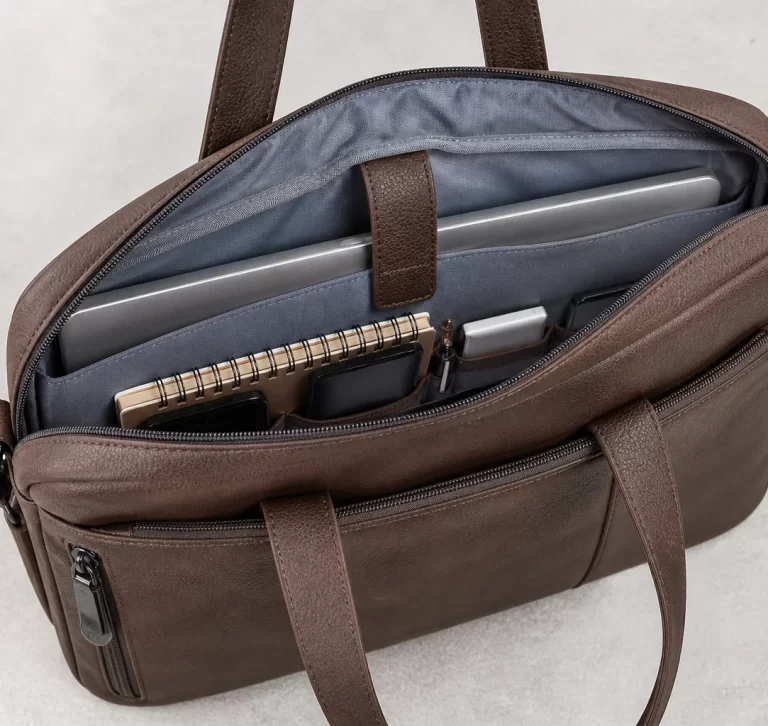
A buyer-side and factory-side view of functional bag features: which ones convert, where they stop selling, what each adds in cost and weight, and how to evidence a claim so it can actually be sold.
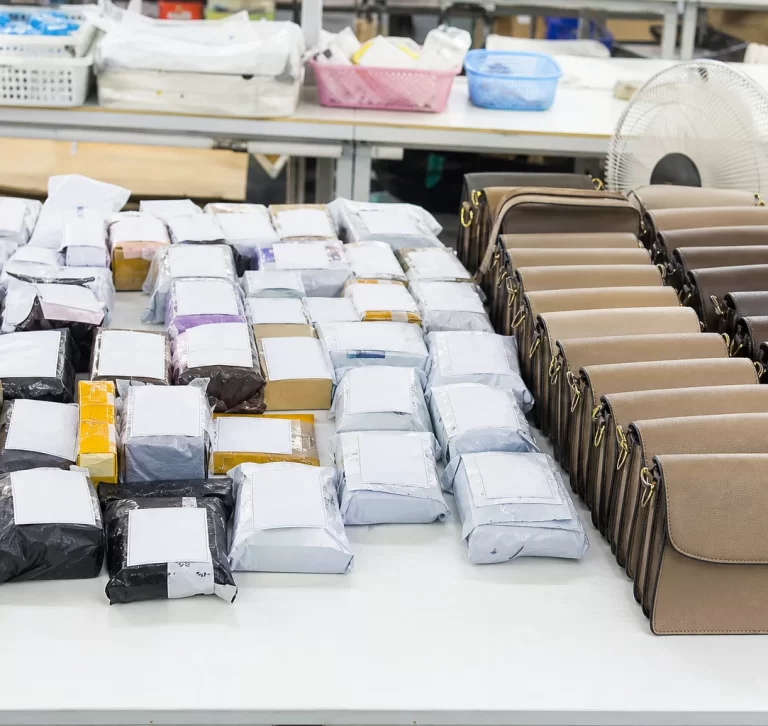
A manufacturer-side view of cross-border e-commerce demand: how order sizes and customisation changed, why conventional quoting and scheduling break, and what small-run capability requires.

A manufacturer-side guide to quiet luxury in PU leather bags: the specifications that carry the look, grade selection, edge and stitch standards, cost structure and how to brief a factory.
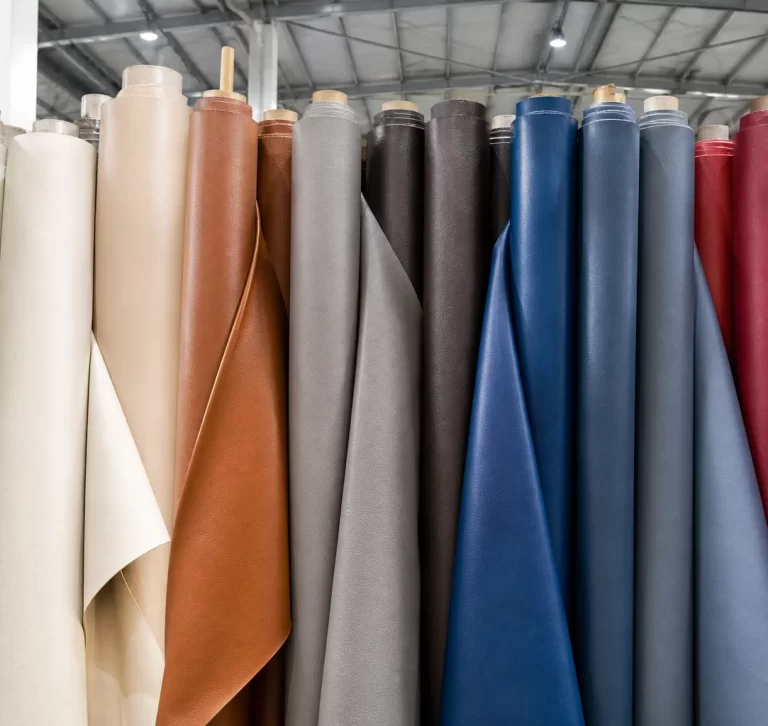
A buyer-focused guide to planning PU leather bag colours for 2027: market direction, production and MOQ realities per colour, range structure and colour calendar.
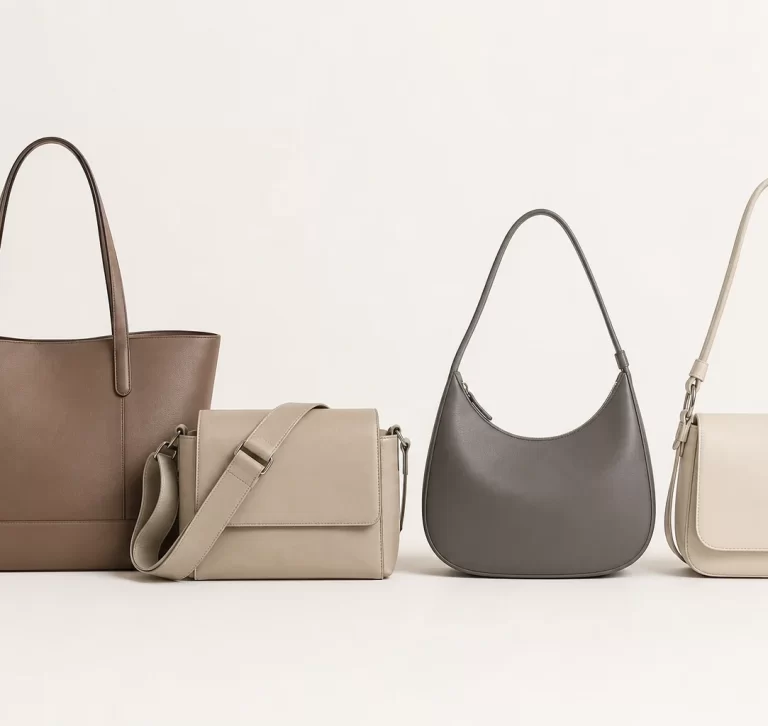
Bag market trends for 2027 from a PU leather bag manufacturer: materials, colours, silhouettes, hardware, sourcing, channel shifts and cost outlook.

Bag wholesale trends for 2026: materials, colors and categories retailers reorder, pricing bands, and how agile manufacturing wins repeat orders across markets.