The Import Process at a Glance
Importing bags is a sequence of decisions — classification, valuation, shipping terms, documents — and each decision has a cost attached. Buyers who learn the sequence save real money; buyers who improvise pay for it in delays and fees.
Why process discipline matters
The import chain has no single actor who watches your total cost. The factory cares about the goods, the forwarder cares about the freight, the broker cares about clearance and customs cares about the rules. The buyer is the only one responsible for the whole picture.
That is why the process must be learned before the order is placed, not after the container sails. The decisions made at ordering time — HS code, terms, documents — decide most of the cost and the delay risk that follows.
The journey from factory to your door
| Step | Who handles it | Buyer’s role |
|---|---|---|
| Production and packing | Factory | Approve samples, set packing spec |
| Export declaration | Factory or forwarder | Confirm documents, HS code |
| Ocean or air freight | Forwarder | Choose method, book space |
| Import declaration | Customs broker | Provide docs, verify valuation |
| Duty and tax payment | Buyer via broker | Budget and verify amounts |
| Delivery to warehouse | Trucker | Arrange receiving, inspect goods |
The chain works smoothly when each handoff is documented. Confirm the responsible party for every step before the order ships, and keep the document trail complete from the factory invoice to the delivery receipt.
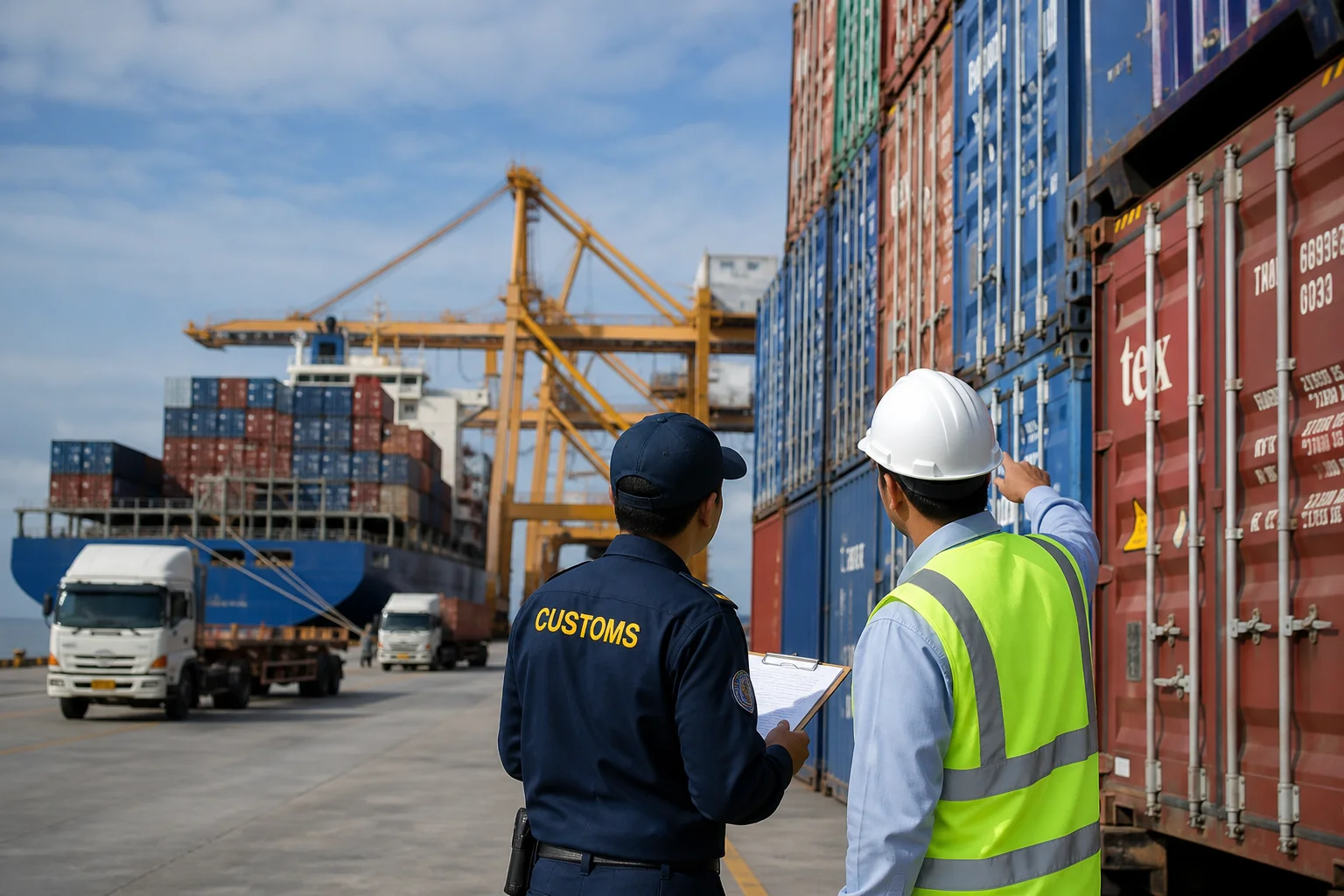
HS Codes and Classification
The HS code is the language of customs: it decides the duty rate, the documentation and sometimes whether your product is even importable. Getting the classification right is the single highest-leverage step in the import process.
Finding the right code for bags
Bags classify under chapter 42 of the HS system, in the group covering articles of leather and similar materials. Handbags, totes and backpacks with an outer surface of leather or composition leather classify in the 4202 group, where most bag imports belong.
The exact eight- or ten-digit code depends on your country and the outer material of the bag. A manufacturer that exports daily can usually tell you the code its shipments use — but verify it with your own customs office or broker before ordering.
Classification traps that cost money
The first trap is assuming one code fits all bags. Bags of textile, of plastic sheeting and of leather classify differently, with different duty rates, so a mixed order needs the codes checked per material.
The second trap is relying on the factory’s code without verification. A wrong code discovered at clearance means delays, corrections and sometimes penalties — while a correct classification made once protects every future order from the same factory.
Your HS code is the most important number on the shipment after the price. Verify it before you book the freight, not when the container is already at the port.
Duties, Taxes and Landed Cost
Duty is the price of entry, and it varies more than most new importers expect. Between the duty rate, the value it is charged on and the taxes that follow, the total can shift the economics of an entire order.
How duty is calculated
Duty is charged on the customs value — normally the price of the goods plus freight and insurance, depending on the valuation method your country uses. The rate itself comes from your tariff schedule, and it is the part you can plan for with certainty.
The valuation matters as much as the rate. An understated invoice to save duty is fraud with expensive consequences; an overstated one pays duty you do not owe. Declare the true transaction value and let the rate do its work.
Duty rates and trade agreements
General duty rates on bag imports sit in a moderate band in most developed markets, but trade agreements can reduce or remove them. A bag made in a country covered by a free trade agreement may enter at a lower rate with the right certificate of origin.
Check whether your sourcing country qualifies before you commit to a factory. The duty saving between the general rate and a preferential rate can be several points of the order value — worth the certificate paperwork every time.
Building the landed cost model
| Component | Typical share | Notes |
|---|---|---|
| Factory (FOB) price | Base | The price at the port of export |
| Freight | 5-15% of FOB | Sea for volume, air for speed |
| Insurance | Small | Often 0.3-1% of value |
| Duty | Rate-dependent | Check your tariff schedule |
| Taxes (VAT/GST) | Rate-dependent | Often recoverable for businesses |
| Broker and handling | Fixed fees | Per shipment, negotiable |
Build this model before you order and keep the numbers honest. Landed cost per unit is the only price that should enter your margin calculations — quoting on FOB prices alone is how wholesale margins quietly disappear.
Shipping Methods Compared
Freight is where importers feel the trade-off between cost and time most directly. The right method depends on the order size, the product value and the urgency, and the choice is rarely a straight preference.
Sea freight for volume
Sea freight moves the bulk of bag imports because the cost per unit is low. A full container suits large orders; less-than-container loads let smaller buyers share the space at a higher per-unit rate.
The trade-off is time — sea transit takes weeks from Asia to most markets, and the schedule depends on port rotation and transshipment. Buyers plan production so the stock arrives before the season, not during it.
Air freight and express for speed
Air freight multiplies the transport cost but collapses the transit to days. It earns its price for high-value lines, launch stock that must arrive on a date, or reorders that captured a trend and cannot wait for the next sailing.
Express couriers add door-to-door convenience with customs handled by the courier’s own process. The cost per kilo is the highest, which makes express the tool for samples and small urgent shipments rather than volume.
Choosing the method by order profile
| Situation | Recommended method | Why |
|---|---|---|
| Large seasonal order, fixed window | Sea, full container | Lowest cost per unit |
| Medium order, flexible timing | Sea, LCL | Balances cost and speed |
| Launch stock with a hard date | Air freight | Protects the launch window |
| Samples and documents | Express courier | Speed and door-to-door |
Split large orders deliberately: send the bulk by sea and fly a small air shipment to cover the selling start. The hybrid approach protects cash flow and launch timing at the same time.
Customs Clearance and Documents
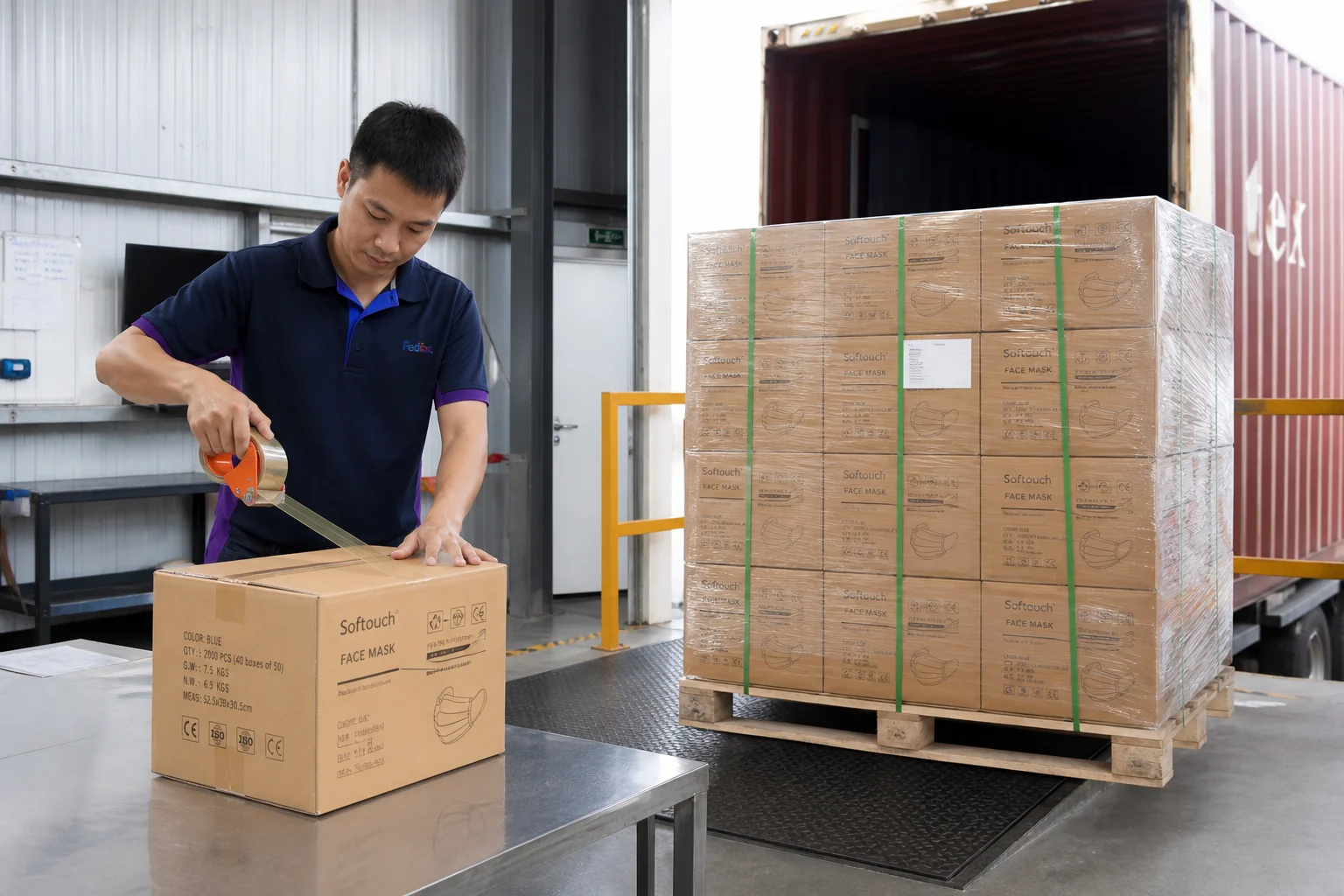
Clearance is paperwork under a deadline. The goods sit at the port while the documents are checked, and every missing or inconsistent paper adds days and storage charges to the bill.
The documents every shipment needs
The core set is stable: the commercial invoice, the packing list, the bill of lading or airway bill and the certificate of origin when a trade preference is claimed. The invoice and the packing list must match each other and the goods exactly.
Inconsistencies are the clearance killer — a packing list that contradicts the invoice, a description that does not match the declared code, or a consignee name that differs from the registration. One consistency check before the shipment sails saves a week at the port.
Choosing and working with a broker
A licensed customs broker handles the declaration, the duty payment and the communication with customs. The broker’s value is local knowledge: the codes, the procedures and the officials change, and a good broker tracks all three.
Work with the same broker across shipments so the relationship accumulates context. Provide complete documents early, answer queries the same day and review the broker’s filings — the buyer who understands the process keeps the broker honest.
Compliance: Labels, Testing and Rules
Compliance is the layer of importing that surprises new buyers most, because the rules apply to the product itself — its materials, its labels and its safety — and they change by market. Bags are consumer goods, and consumer goods carry obligations.
Product compliance for bags
Material safety matters most for goods that touch people. Chemical restrictions on materials, including limits on certain phthalates and heavy metals in coatings and hardware, apply in several major markets and require testing certificates for larger retailers.
The practical route is to ask the factory for test reports on the materials you plan to use, then verify the reports match the standard your market applies. A factory that tests routinely costs a little more per unit and saves a recall later.
Market rules at a glance
| Market | Key obligation for bags | What to prepare |
|---|---|---|
| United States | Labeling, restricted substances | Country-of-origin label, test data |
| European Union | REACH chemical rules | Chemical compliance documentation |
| Other developed markets | Local consumer rules | Check each market’s schedule |
The table is a starting map, not a legal opinion. Confirm the obligations for your exact product and market with a compliance professional before your first container — the rules are specific and the penalties are not forgiving.
Labels and marking that prevent delays
Most markets require origin marking on the product itself — a label or stamp stating where the bag was made. The label is checked at clearance in some markets and at retail inspection in others, and its absence stops the sale either way.
Add the compliance label to the factory specification before production: the content, the placement and the language. Retro-fitting labels after arrival is expensive, and the delay it causes can miss the entire selling season.
Avoiding Common Import Mistakes
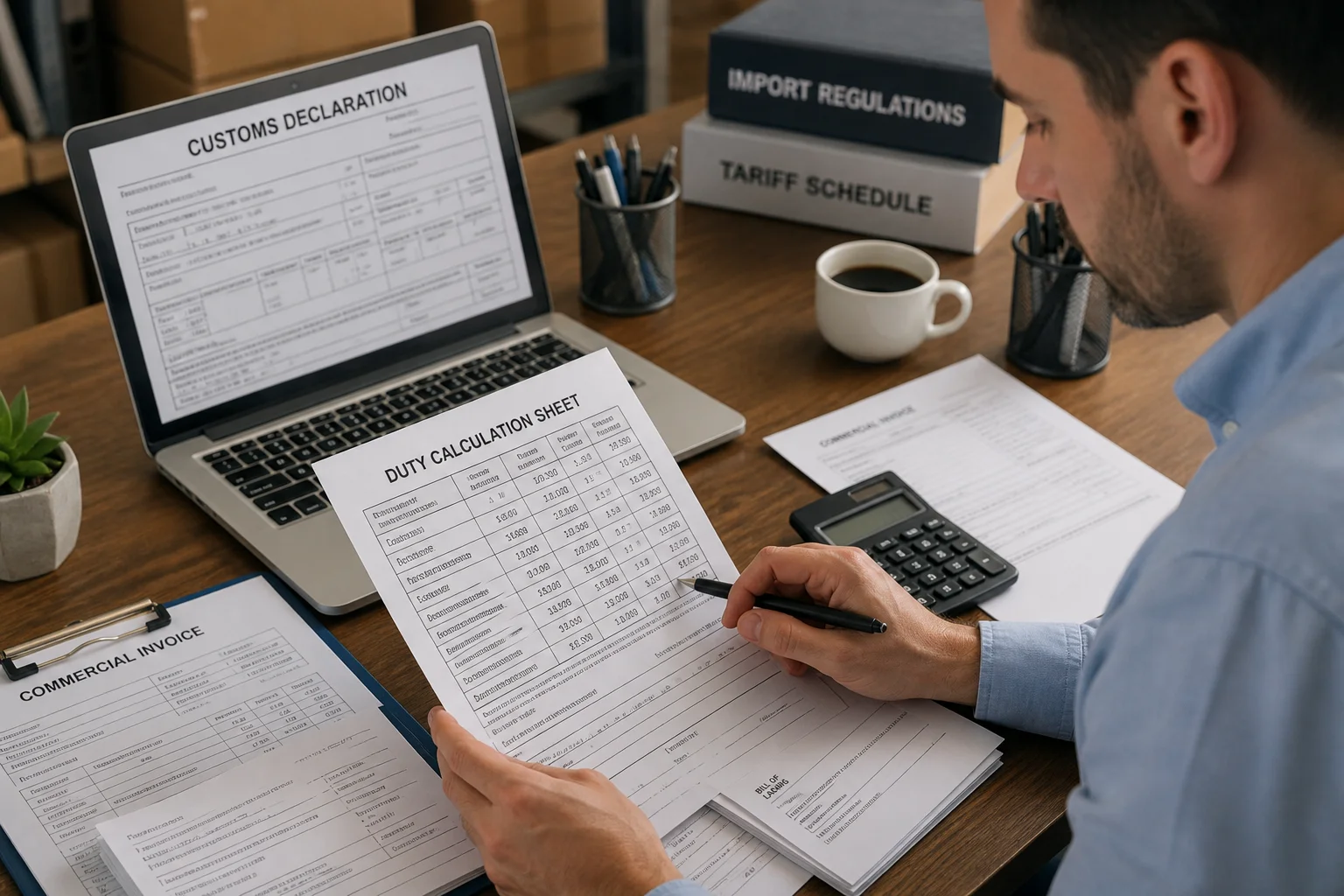
Import mistakes follow patterns, and each pattern costs a known amount of money and time. The list below is the one experienced importers keep near their desk.
Learning the rules on your first container. The first order is the most expensive teacher. Run a small trial shipment first — a few cartons by express — to learn your own process before committing a container to it.
Trusting the factory’s HS code blindly. Verify the classification with your broker or customs office. The factory’s code may be right, but the verification costs an hour and the correction costs a month.
Comparing FOB prices instead of landed costs. The cheapest factory quote can be the most expensive import when freight, duty and delays are added. Compare on landed cost per unit, always.
Skipping the packing specification. Carton weights, dimensions and labeling drive freight cost and clearance smoothness. Specify the packing in the order and check it at the factory before loading.
Ignoring the seasonal calendar. A container that arrives after the season is a discount sale waiting to happen. Plan production and shipping backward from the date the stock must be on the shelf.
Working with a Factory That Ships Well
The factory is the first half of your import chain, and a factory that understands export — not just production — removes most of the friction from the second half. The signs of an export-ready partner are visible before you order.
What an export-ready factory provides
The factory should prepare clean export documents as routine: the commercial invoice, the packing list and the export declaration matching your requirements. Its staff should answer classification and labeling questions from experience, not guesses.
Ask about its export experience with your market specifically. A factory that ships regularly to your country knows the documents, the packing conventions and the label requirements — and its learning curve is your savings.
Aligning before production
Agree the import-critical details before production starts: the HS code to declare, the label content and placement, the carton marking and the packing specification. Written agreement at this stage prevents the clearance problems that surface a month later.
Build the shipping calendar into the order confirmation: the production end date, the loading date and the transit time to your door. A factory that commits to dates in writing and meets them is the foundation of a predictable import process.
Choosing Incoterms for Your Import
Incoterms are the shorthand of who pays and who carries risk at each stage of the journey. The term in your contract decides the price you compare and the surprises you can expect, so the choice deserves thought rather than habit.
The terms importers actually use
FOB is the standard for bag imports: the factory delivers the goods loaded on the vessel at the export port, and everything after — the freight, the insurance and the clearance — belongs to you. The FOB price is the cleanest basis for comparing factories.
EXW puts everything on the buyer from the factory door, which sounds cheaper until the trucking, documentation and export formalities appear on your side of the ledger. FOB or CIF quotes are usually the more practical starting points for volume.
What the term includes and excludes
The term defines three things precisely: where the goods transfer from seller to buyer, who pays the freight and insurance, and who carries the risk if the goods are damaged in transit. Read the term’s obligations before signing, not after a loss.
A common surprise is CIF: the seller pays the freight and insurance, but the risk transfers at the port of export — the buyer still owns the goods while they travel. Understand the risk line of your term and cover it with your own insurance where needed.
Matching the term to the order
New importers often prefer terms that put the freight and documents with one forwarder they control — buying FOB and arranging the shipping themselves gives visibility over the whole chain. Experienced buyers may delegate more to the seller.
The rule is simple: choose the term that gives you control where you need it and clarity everywhere else, and state it in writing on every order confirmation. Ambiguity about the term is how freight bills double.
Packing and Labeling for Transit
Packing is the invisible half of the import that decides freight cost, clearance smoothness and the condition of the goods on arrival. The packing specification is a document the buyer writes, not a detail the factory improvises.
Cartons that survive the journey
Bag cartons should be strong enough to stack in a container without crushing the goods inside, with the weight and dimensions declared accurately on the packing list. Standard export cartons hold twelve to thirty bags depending on the size and shape.
Ask for the carton details before production: the inner packing per bag, the carton size and weight and the palletization plan. Oversized or overweight cartons waste freight space and attract handling fees at both ends.
Marking that moves the shipment
Every carton carries the shipping marks: the consignee, the port of destination, the carton number and the carton count. Clear marks let the forwarder and the warehouse route the shipment without opening boxes to identify it.
Add handling marks where they matter — fragile for hardware-heavy cartons, this side up where stacking direction matters — and keep the marks consistent with the packing list. The marks are the shipment’s address labels; vague ones send it on detours.
Inner packing that protects the product
Each bag needs protection from the journey: a polybag against dust and moisture, tissue or paper padding to hold the shape, and protection for hardware and zippers that could scratch the surface of neighboring bags.
Specify the inner packing in the order and check it during the pre-shipment inspection. A bag that arrives creased or scratched is a return, and the return costs more than the packing that would have prevented it.
Managing Import Risk and Payments
Importing concentrates risk: the goods, the documents and the money travel separately, and each leg can go wrong. The professional importer manages the risk with payment terms, insurance and inspection rather than hope.
Payment terms that protect both sides
The standard for new relationships is a deposit — commonly 30 percent — with the balance paid against the shipping documents or after inspection. The deposit funds the factory’s materials; the balance release against documents protects your position.
Escalate gradually as trust builds: from deposit plus balance on documents, to letter of credit for larger orders, to open account for proven partners. Each step up the trust ladder trades a little protection for a little cash-flow ease.
Insurance: the cheap hedge
Marine cargo insurance covers the goods against loss and damage in transit, and its cost is small relative to the shipment value. The cover starts when the risk transfers to you, so align it with your Incoterms rather than assuming the factory’s cover runs to your door.
Read the policy’s exclusions before you need them: water damage, rough handling and delay claims vary by policy. A shipment of bags that sits in a flooded port container is a total loss unless the cover says otherwise.
Inspection before the goods sail
A pre-shipment inspection catches quantity, quality and packing problems while the factory can still fix them. The inspection cost is small against the cost of a container of defective goods that clears customs at your expense.
Inspect to your own checklist — the count, the approved sample comparison, the packing and the labels — and release the balance only when the report is clean. The inspection is the buyer’s last control point before the goods leave the factory’s hands.
Optimizing the Import Cost Over Time
The first import teaches the process; the following ones teach the savings. Cost optimization compounds across shipments, and it comes from the same levers — freight, duty, packing and planning — applied deliberately.
Freight optimization levers
Consolidate orders to fill containers rather than shipping half-empty LCL space, and compare forwarder quotes on the full route — origin charges vary as much as the ocean rate. Booking off-peak sailings and committing to regular volume earns schedule leverage.
Watch the carton cube, not just the weight. Freight is sold by volume for bag shipments, so a packing spec that reduces carton size without risking the goods directly cuts the freight bill on every container.
Duty and tax optimization
Confirm the classification once and reuse it, claim every trade preference your origin country qualifies for and verify the certificate of origin is issued before the shipment sails. Duty savings repeat on every container from the same factory.
Keep the compliance documentation organized by shipment and by factory. When an audit or a claim arrives, the organized file answers it in hours; the disorganized one costs days and professional fees.
Planning the yearly import calendar
Plan shipments around the freight calendar: the peak seasons before major retail holidays raise rates and squeeze space, while the valleys offer cheaper bookings. A factory that sees your annual schedule can align its production to the windows you choose.
Consolidate the learning from every shipment into a one-page process note — the brokers, the forwarders, the codes, the packing spec and the mistakes. The note turns importing from a yearly relearning exercise into a compounding advantage.
FAQ
What HS code do bags use for import?
Most handbags, totes and backpacks classify under heading 4202 of the HS system, which covers trunks, bags and similar containers. The exact code depends on the outer material and your country’s schedule, so verify with your broker before ordering.
How much duty do I pay on imported bags?
The rate depends on the product code, the country of origin and any trade agreement in place. Check your tariff schedule for the specific rate and confirm whether a preferential rate applies through a certificate of origin.
Should I ship by sea or air for my first order?
Run the first trial by express or air to learn your process quickly, then move volume by sea once the documents and compliance are proven. Sea freight is far cheaper per unit but slower, so plan production around the longer transit.
What documents do I need to import bags?
The core set is the commercial invoice, the packing list, the bill of lading or airway bill and, when claiming a trade preference, the certificate of origin. Keep the invoice and packing list consistent — mismatches cause clearance delays.
Do bags need safety testing to import?
Testing requirements depend on your market and the materials. Several major markets restrict certain chemicals in materials and hardware, and larger retailers require certificates. Ask the factory for reports and verify them against your market’s standards.
Can I import bags without a customs broker?
Legally possible in some markets, but rarely wise for a new importer. A licensed broker brings local knowledge of codes, procedures and requirements, and the fees are small against the cost of a clearance mistake.
How do I calculate the landed cost per bag?
Add the factory price, freight, insurance, duty, taxes and broker fees, then divide by the number of units. The landed cost per unit is the number that belongs in your margin calculations — not the FOB price.
What compliance labels do bags need?
Most markets require a country-of-origin label on the product, and other marking rules vary. Specify the label content, placement and language in the factory order before production — retro-fitting labels after arrival is expensive.
Which Incoterm should a new importer use?
FOB is the practical starting point: the factory delivers the goods loaded at the export port, and you arrange the freight and clearance with forwarders you control. State the term in writing on every order — ambiguity about terms is how freight bills double.
How do I protect payment when importing bags?
Use the standard ladder: a 30 percent deposit with the balance released against shipping documents or a clean inspection report, escalating to letters of credit or open account only as trust builds with proven factories.
How can I reduce freight cost on bag imports?
Consolidate to fill containers, compare forwarder quotes on the full route, and reduce carton cube through smarter packing — freight is sold by volume for bags. Book off-peak sailings and give the forwarder a predictable volume schedule.
Next Steps: Import with a Plan
Importing is a learnable system: classify correctly, model the landed cost, choose the shipping method by order profile, prepare the documents and confirm compliance before production. Each step is simple; the discipline is doing all of them every time.
The factory partnership sits underneath the whole system. A manufacturer that packs, documents and labels for export removes the friction before it reaches your port — which is the standard our factory builds to for importers around the world.
Every container you import teaches the next one: the codes confirm, the documents streamline and the partnerships deepen. Run the system every time, and importing becomes the reliable edge your competitors have not built yet.
Planning your first import? Contact our export team at info@gionar.com for export documentation, packing and compliance support.
Related reading: our custom bag manufacturing portfolio shows the production and export process behind reliable imports.