Seasonal orders fail in a predictable way. The buyer decides on a delivery date, works backwards mentally, and places the order at what feels like a safe distance from the season. Then the sample takes three rounds instead of one, the material is on allocation, the factory is fully booked, and the goods arrive after the window they were bought for.
The fix is not to order earlier across the board. Ordering too early ties up cash and storage, and freezes a design before the market has signalled what it wants. The right approach is to work backwards through every stage that consumes time and to place the order against the slowest stage, which is almost never production.
For most PU leather bag programmes, that means placing the order four to six months before the delivery date, and starting development five to seven months out if the design is new. Where a programme repeats an existing design, the lead time shortens considerably, which is one of the practical rewards of platform-based ranges.
The reason the answer is a range rather than a single figure is that the dominant time cost changes with the situation. A new design with new materials needs sampling and lab dips. A repeat order needs material booking, production slots and freight. A seasonal promotion needs photography and retail preparation on top of everything else.
This guide breaks the cycle into its stages, gives realistic durations for each, explains what actually causes late deliveries, sets out how to build a calendar that survives slippage, and covers the trade-offs between ordering early and ordering late.
The Stages Between Decision and Delivery
A wholesale order passes through more stages than most buyers picture. Production is only one of them, and rarely the longest.
Design and specification
A bag has to be specified before it can be quoted or made. This means a tech pack or at least a clear specification covering dimensions, materials, hardware, lining, construction and finishing, plus the labelling and packaging requirements.
A buyer who arrives with a complete specification saves weeks. A buyer who arrives with a picture and an idea will spend those weeks in discussion while the factory makes assumptions that later need correcting.
Sampling and approval
Sampling normally takes one to three rounds. The first sample establishes the shape and construction; subsequent rounds correct details, hardware, colour and finishing. Each round costs a few weeks including shipping and the buyer’s review.
Rounds multiply when the feedback is vague. “Not quite right” produces a revised guess and another round, whereas “reduce the base width by 20 mm and move the zip pull to the left panel” produces a corrected sample.
Material confirmation and lab dips
Where a specific colour or finish is required, lab dips must be prepared and approved before bulk material is produced or ordered. This is a serial step: the dip cannot be approved before it exists, and the bulk material cannot be ordered before the dip is approved.
Material is also the stage most exposed to external delay. Coated fabric allocation, coating schedules and supplier holidays all sit outside the bag factory’s control, which is why this step deserves more buffer than it usually gets.
Production, inspection and freight
Production itself is comparatively predictable once material is on site and a line is scheduled. Inspection follows, then packing, then transport to port and the ocean or air leg.
The freight leg is often overlooked. Ocean transit from China to Europe or the United States commonly runs several weeks, and port congestion or customs examination can extend it further without warning.
Pre-retail preparation
Goods delivered to a warehouse still have to reach the shelf. Photography, labelling, listing setup, pricing and distribution to stores or fulfilment centres all consume time after the container arrives.
Where a season has a hard launch date, this stage is what determines whether the order can be placed against the delivery date or against the launch date. Building it into the calendar from the start prevents an avoidable scramble.
Who owns the specification
The buyer owns the specification and the factory interprets it. Where that ownership is blurred, assumptions fill the gap and reappear later as sample corrections.
Realistic Durations for Each Stage
Realistic planning needs durations that include the waiting around each step, not just the productive time. The figures below are typical for PU leather bag programmes and are worth confirming with the actual factory.
Development stages
Specification review and quoting usually take one to two weeks where the buyer has a complete tech pack, and three to four weeks where the specification is still being developed. Sampling takes two to four weeks per round including shipping, and most programmes need two rounds.
Lab dips add two to three weeks once requested, including the shipping of the dip itself. Where the buyer and factory are in different time zones, add roughly a week across the whole programme for the cumulative effect of asynchronous review.
| Stage | Typical duration | Notes |
|---|---|---|
| Specification review and quote | 1-2 weeks | Longer without a tech pack |
| First sample | 2-4 weeks | Includes shipping |
| Sample revision rounds | 2-3 weeks each | One to two rounds typical |
| Lab dip preparation and approval | 2-3 weeks | Must precede bulk material |
| Material booking and delivery | 2-5 weeks | Longer in peak coating season |
| Production | 3-6 weeks | Depends on quantity and complexity |
| Inspection and packing | 1 week | Longer for third-party inspection |
| Inland transport and loading | 1 week | Plus booking cut-off |
| Ocean freight | 3-6 weeks | Port dependent |
| Customs clearance and delivery | 1-2 weeks | Longer if examined |
| Pre-retail preparation | 1-3 weeks | Photography, listing, distribution |
Production stages
Production of a bag order commonly runs three to six weeks depending on quantity, how many styles are involved and how much hand work the design requires. A single-style run of a moderate quantity sits at the shorter end; a multi-style run at the longer end.
Material booking is the stage most likely to surprise. Where the material is a standard colour held in stock by the mill, it may ship in days. Where it is a custom coating run, the wait is measured in weeks and moves with the coating schedule.
Freight and import stages
Ocean freight from China typically takes three to six weeks door to door including inland legs, while air freight takes days at a much higher cost. Customs clearance normally adds about a week, with examination extending it unpredictably.
The booking cut-off matters as much as the transit time. Cargo missed by a day can wait a week for the next sailing, which is why the packing and booking stage needs its own buffer rather than being treated as instantaneous.
Adding it up
A new design with a custom colour, taken through every stage, can consume twelve to twenty weeks before the goods are in a warehouse. A repeat order of an existing design on existing material can complete the same journey in eight to twelve weeks.
Those totals are the real lead times, and they are substantially longer than the production lead time a factory quotes. Treating the factory’s production figure as the total is the single most common planning error in seasonal ordering.
Why quoted lead times vary
Factories quote what they control, and capacity, material access and staffing differ. Two factories can quote different production times for the same bag without either being wrong.
Working Backwards From Your Season Date
The practical method is to start from the date the goods must be on the shelf and subtract each stage, using the pessimistic figure rather than the average.
Start from the shelf date, not the delivery date
The season date that matters is when the product must be available to sell, not when the container arrives. Starting from the delivery date builds in the assumption that goods can move from dock to shelf instantly.
For a retail season, the shelf date is usually two to four weeks before the peak selling period. For an online launch, it may be the launch day itself, which brings pre-retail preparation forward and shortens the usable window.
Subtract the slowest path
Work backwards from the shelf date through pre-retail preparation, customs, freight, loading, inspection, production, material delivery, lab dips, sampling and specification. The result is the order placement date.
Where two stages can run in parallel, they can share time; where they are strictly sequential, they cannot. Lab dips and bulk material are sequential. Sampling and material sourcing can sometimes overlap if the material is standard, which is one reason repeat programmes move faster.
| Shelf date target | Repeat programme order date | New design order date |
|---|---|---|
| Spring season, March | Roughly November | Roughly September-October |
| Summer season, June | Roughly February | Roughly December-January |
| Autumn season, September | Roughly May | Roughly March-April |
| Holiday season, November | Roughly July | Roughly May-June |
Add a contingency buffer
A buffer of two to four weeks across the whole programme is normal practice. It is not padding; it is the allowance for the sample that needs a third round, the material that is on allocation, or the sailing that is missed.
The buffer should sit where it does the least harm. Placing it before production protects the delivery date without leaving finished goods sitting in a warehouse, whereas a buffer after production converts directly into storage and cash tied up.
Booking the production slot in advance
Factories fill their lines ahead of peak seasons, and a slot booked in advance is worth more than a favourable price. Buyers who place orders late in a busy period often wait not for material but for capacity.
Reserving capacity against a provisional date, then confirming quantities once the season forecast is firm, is a legitimate way to hold a position without committing the full order early.
Ordering against a fixed launch date
Where pre-retail preparation is substantial, the order must be placed against the launch date rather than the delivery date. The difference is often two to three weeks.
What Actually Causes Late Deliveries
Late deliveries are rarely caused by slow sewing. The causes cluster in three areas, and all three are addressable in advance.
Scope changes after sampling
The most common cause is a specification that changes after the sample is approved. Material substitution, hardware changes, dimension adjustments and packaging revisions each reset part of the process, and the earlier they happen the less they cost.
Freezing the specification before bulk material is ordered removes this cause almost entirely. It requires discipline, because late design ideas are often good ideas, and the right response is to hold them for the next order.
Unclear or slow feedback
Each round trip between buyer and factory has a cost beyond the shipping time. Comments that do not identify a specific change produce a guess, which produces another round, which produces another delay. Silence at a decision point is the most expensive form of feedback.
Naming one decision-maker and setting an internal review deadline per round typically removes two to three weeks across a programme. This is process discipline rather than logistics, and it is free.
Material availability and seasonality
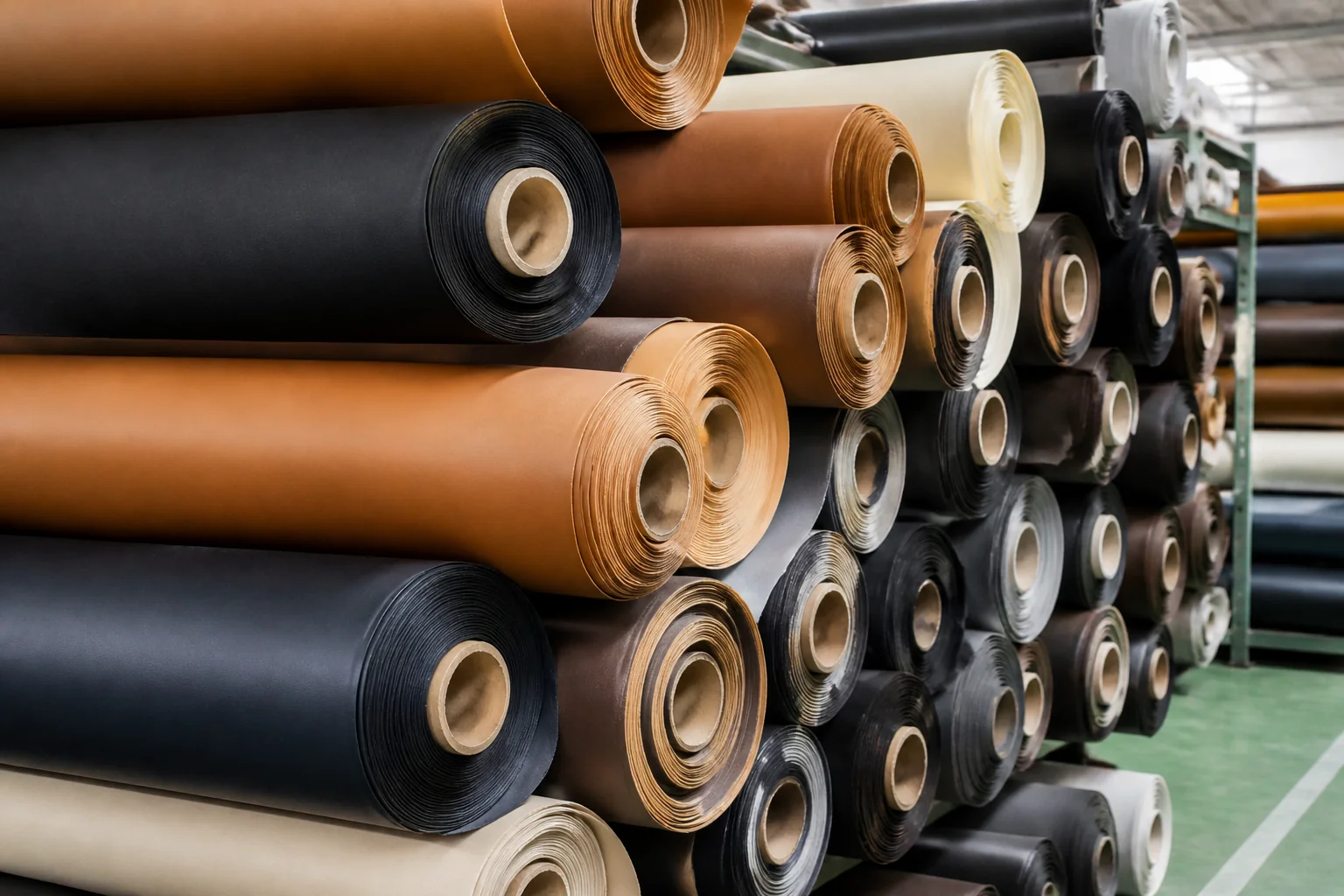
Coated fabric is produced in coating runs, and demand for certain colours and finishes follows retail seasons. Ordering a popular colour in the middle of the season can mean waiting for the next run, regardless of how much the buyer is willing to pay.
Two responses help. The first is to place material bookings early against a provisional quantity. The second is to build ranges on materials already held in stock, which converts a custom material problem into a standard one.
| Cause of delay | Where it appears | Prevention |
|---|---|---|
| Specification changes after sampling | Between approval and bulk material | Freeze the spec in writing |
| Slow or vague feedback | Every sample round | One decision-maker, written deadlines |
| Custom material on allocation | Material booking | Book early or use stock materials |
| Production capacity during peak | Line scheduling | Reserve the slot in advance |
| Missed sailing or booking cut-off | Packing and loading | Buffer before the cut-off |
| Customs examination | Destination clearance | Correct documentation, allowance in the plan |
| Incomplete import documents | Destination clearance | Pre-clearance document check |
Freight and customs surprises
Peak season surcharges, blank sailings and port congestion are outside the factory’s control. So are customs examinations, which are triggered partly by documentation quality and partly at random.
Neither can be eliminated, but both can be planned for. A buffer placed before the sailing rather than after arrival keeps the delivery date intact when a booking is missed.
Documentation as a delay source
Incomplete or inconsistent import documentation is a frequent cause of clearance delay. A pre-clearance document check costs almost nothing and removes a preventable risk.
The Cost of Ordering Too Early
The advice to plan early has a limit. Ordering far ahead creates costs of its own, and the optimum sits where the cost of a delay equals the cost of holding stock.
Working capital tied up in stock
Goods produced early occupy cash from the moment the balance payment leaves. For a growing business, that cash has an alternative use, and the effective cost of tying it up is the return it would have earned elsewhere or the borrowing it replaces.
The longer the gap between production and selling, the larger this cost. Six extra weeks of stock on a substantial order is a real figure, not a rounding error.
Design risk and forecast error
A design frozen six months before the season is a design frozen before the market has spoken. The earlier the commitment, the more likely the range reflects last season’s signal rather than this season’s.
This argues for placing structural and material commitments early where they are hard to change, and holding colour and detail decisions as late as the process allows. Materials and hardware require lead time; a single colour can sometimes be adjusted later.
| Trade-off | Ordering early | Ordering late |
|---|---|---|
| Delivery risk | Low | High |
| Working capital | Tied up longer | Preserved |
| Design accuracy | Lower | Higher |
| Material availability | Better | Risk of allocation |
| Production capacity | Easier to secure | May not be available |
| Storage cost | Higher | Lower |
| Markdown risk | Higher on unproven designs | Lower |
Storage and handling
Early delivery means storing goods before they are needed. Storage costs include the space, the handling in and out, insurance and the risk of damage or deterioration during extended storage.
PU leather is more tolerant than many materials but not indefinitely so. Long storage in humid or warm conditions can affect coated surfaces and adhesives, which is an argument for delivery close to the selling period rather than months before it.
Finding the balance
The balance is to commit the long-lead elements early and the short-lead elements late. Material, hardware and structural tooling need time; trim, colour emphasis and packaging artwork can often follow closer to the season.
Order early enough to protect the delivery date, and no earlier. The buffer belongs in front of production, not in a warehouse.
New Designs Versus Repeat Programmes
The largest single factor in the timeline is whether the design and its materials already exist. That distinction is worth planning around deliberately.
Why new designs take longer
A new design requires specification work, sampling rounds, material selection and lab dips before production can be scheduled. Each of these is a serial dependency, and none can be compressed much by spending more money.
The exception is air freight for samples, which shortens the review cycle at a modest cost. Where a season date is tight, paying for faster sample transit is usually far cheaper than paying for expedited production later.
Why repeat programmes move quickly
Where the design and materials already exist and have been produced before, the specification is proven, the sample may be waived, the material may be held in stock and the pattern is already on file. The programme reduces to material booking, production, inspection and freight.
This is a direct commercial argument for platform-based ranges. A range built on shared materials and hardware makes each subsequent style a partial repeat, which shortens its lead time from the first order onward.
Hybrid programmes
Most real seasons are hybrids: a few carried-over styles and a small number of new ones. The correct calendar gives each group its own order date rather than forcing both onto a single schedule.
Placing the new styles first and the repeat styles later is usually the better sequence, because the repeats can be ordered closer to the season without risk and will arrive fresher. Combining them into one late order removes that flexibility.
Building a Seasonal Order Calendar
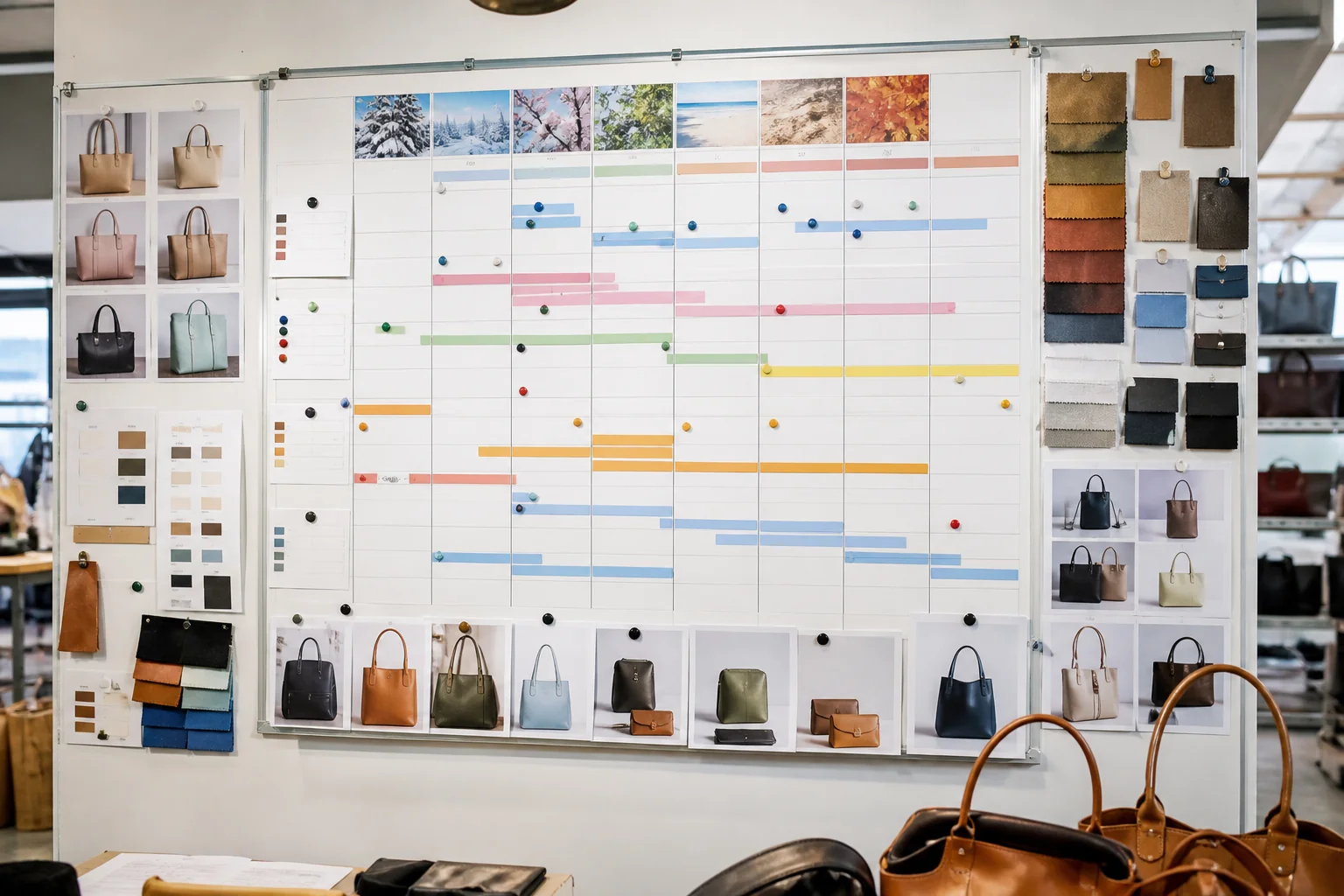
A calendar turns the reasoning into dates that can be assigned to people. The following structure is simple enough to maintain and specific enough to act on.
Set the anchor dates first
Begin with three fixed points: the shelf date, the required delivery date and the planned order date. Everything else is scheduled relative to these, and any change to the shelf date propagates backwards.
Writing the dates down and sharing them with the factory matters more than the format used. A calendar held only by the buyer cannot be planned against by the supplier.
Assign a gate to every stage
Each stage should end with a gate: a decision or an artefact that must exist before the next stage begins. Approval of the sample, release of bulk material, and confirmation of the sailing are the three gates that matter most.
Gates prevent drift, because a stage that has not passed its gate is visibly not finished. Without them, progress is judged by how busy the programme feels rather than by what has actually been decided.
| Gate | Condition to pass | Failure consequence |
|---|---|---|
| Specification frozen | Written tech pack agreed | Sampling restarts |
| Sample approved | Signed sample with written comments | Production starts on a wrong build |
| Material released | Lab dip approved, bulk ordered | Material arrives late or wrong shade |
| Production slot confirmed | Date booked with the factory | Order waits for capacity |
| Inspection passed | AQL result acceptable | Rework or rejected shipment |
| Booking confirmed | Sailing booked before cut-off | Wait for the next vessel |
| Documents complete | Pre-clearance check passed | Customs delay at destination |
Track actual versus planned
The value of a calendar accumulates when actual dates are recorded against planned ones. After a season or two, the recorded slippage shows which stage is consistently optimistic, and the plan can be adjusted to that stage specifically.
Most programmes discover that their slippage concentrates in one place, usually sampling feedback or material. Correcting the buffer for that stage alone often reclaims weeks without affecting anything else.
Review the calendar before the season, not during it
The calendar should be reviewed at the point the season changes rather than when a deadline approaches. Reviewing late means the only remaining lever is expediting, which is the most expensive option available.
Sharing the calendar with the factory
Send the calendar to the factory and confirm the dates it can hold. A schedule the supplier has seen is far more likely to be met than one held privately.
Working With the Chinese New Year Cycle
Any seasonal plan involving Chinese manufacturing has to account for the New Year period. It is the single largest predictable disruption in the year.
What happens to the factory
Production stops for a period around the holiday, and the effective shutdown is longer than the official holiday. Workers travel home, and many return over a staggered period, so output ramps up gradually rather than restarting at full rate.
Capacity after the break is heavily subscribed, because orders that were planned for the period get pushed into the following weeks alongside the orders that were already scheduled for them.
Planning around the shutdown
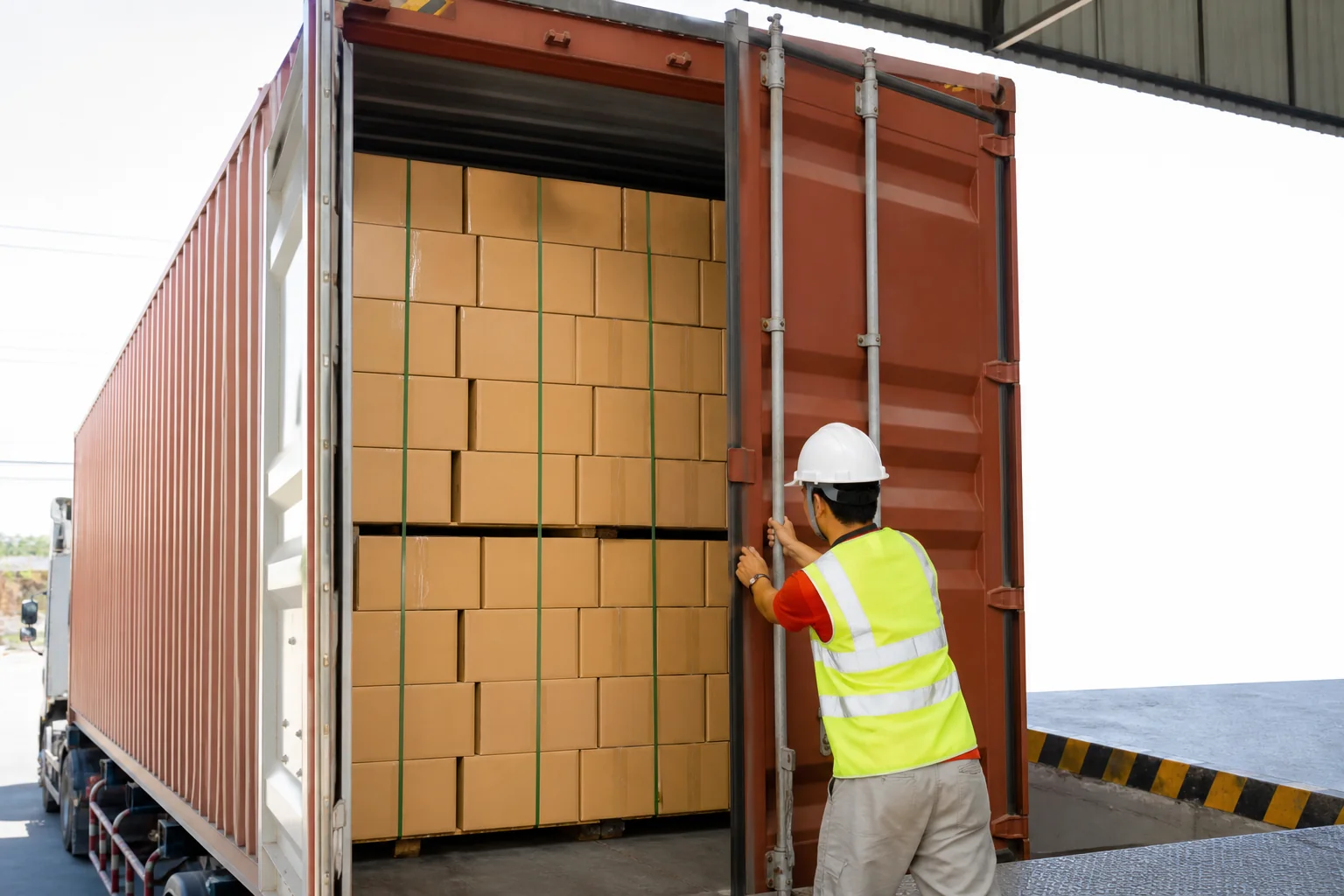
Orders intended for delivery shortly after the holiday should be completed before it, which means placing them early enough to be produced in the weeks before the break. Orders placed during the break lose several weeks before work begins.
Material should be booked before the break rather than after. Coating mills and component suppliers observe the same holiday, and a material order placed in the first week back queues behind everything placed in the final weeks before.
| Period relative to the holiday | Situation | Planning response |
|---|---|---|
| Three months before | Normal capacity | Ideal window for pre-holiday production |
| One to two months before | Lines filling, rush orders | Confirm slots early, book material now |
| Final weeks before | Peak pressure, limited capacity | Only achievable for repeat programmes |
| During the break | Production stopped | Orders can be placed but not started |
| First weeks after | Staggered return, queue builds | Expect slower ramp-up |
| One month after | Ramp-up complete | Normal scheduling resumes |
Confirming dates with the factory
The holiday dates shift each year with the lunar calendar, and the practical shutdown window varies between factories. The only reliable approach is to ask the specific factory for its own production stop and restart dates well ahead of the season.
Asking early also removes a common misunderstanding. Buyers who assume the official public holiday is the shutdown period plan several weeks too tight, then attribute the resulting delay to poor performance.
In a seasonal programme, the calendar is the product. Get the dates right and the rest of the order becomes a matter of execution.
FAQ
How far ahead should I place a seasonal bag order?
For most PU leather bag programmes, four to six months before the required delivery date, and five to seven months if the design is new. The figure is driven by sampling, lab dips, material booking and freight rather than by production, which is rarely the longest stage.
Is the factory’s production lead time the total lead time?
No, and treating it as the total is the most common planning error. Production is typically three to six weeks, but specification, sampling, lab dips, material booking, inspection and freight together usually take longer. Plan against the slowest stage, not the quoted production window.
How long does sampling take?
Two to four weeks per round including shipping, and most programmes need one or two revision rounds. Vague feedback is the main cause of extra rounds. Comments that name a specific change, such as a dimension or a hardware position, avoid an extra round entirely.
Why do lab dips matter for scheduling?
Because they are strictly sequential with bulk material. Material cannot be ordered before the dip is approved, and the dip cannot be approved before it exists. A custom colour therefore adds two to three weeks that cannot be recovered later, which is why stock colours shorten the timeline significantly.
How much buffer should I build into the plan?
Two to four weeks across the whole programme is normal practice, and it should sit before production rather than after it. A buffer in front of production protects the delivery date; a buffer after production converts directly into storage cost and cash tied up in finished goods.
What is the most common cause of late seasonal deliveries?
Specification changes after the sample has been approved. Each change resets part of the process and can force material to be re-ordered. Freezing the specification in writing before bulk material is released removes this cause almost entirely.
Should I order earlier to be safe?
Only as far as the slowest stage requires. Ordering far ahead ties up working capital, increases storage and handling cost, and freezes a design before the market has signalled what it wants. The right moment is early enough to protect the delivery date and no earlier.
Which decisions should be made early and which can wait?
Commit the long-lead elements early: material platform, hardware family and any structural tooling. Hold the short-lead elements closer to the season: trim, colour emphasis and packaging artwork. That split protects the schedule without locking in design decisions prematurely.
How does Chinese New Year affect a seasonal order?
Production stops for a period around the holiday, and the effective shutdown is longer than the official dates because workers return over a staggered period. Capacity immediately after the break is heavily subscribed. Ask the specific factory for its own stop and restart dates and place material orders before the break.
Can air freight fix a late order?
It can recover days rather than weeks, at a substantial cost, and it cannot fix a material that has not been produced. Air freight is most useful for samples, where paying for faster transit early is far cheaper than expediting a finished order later.
Should new styles and repeat styles be ordered together?
No. New styles need sampling, lab dips and a longer window, while repeat styles on existing materials can be ordered much closer to the season. Place the new styles first and the repeat styles later, so the repeats arrive fresher without carrying delivery risk.
How do I stop the same delay happening every season?
Record planned against actual dates for each stage across a season or two. Slippage almost always concentrates in one or two stages, usually sampling feedback or material. Adjusting the buffer for those stages specifically reclaims weeks without adding cost elsewhere.
Planning a seasonal range of PU leather bags?
We manufacture PU leather bags in Guangzhou on OEM, ODM and wholesale programmes, and we will give you the realistic stage-by-stage dates for your season rather than a single production figure. Send your target shelf date and specification to info@gionar.com, or review our custom bag manufacturing capabilities.