Why Zipper Choice Matters
The zipper is the hardest-working component on most bags: it opens and closes thousands of times across a bag’s life, and it is the first thing customers touch and the last thing they forgive when it fails.
The zipper decides the daily experience
Think about the moments that form a customer’s opinion of a bag: the smooth zip of the main compartment, the quiet glide of an interior pocket, the secure close of a front pouch. Every one of those moments is the zipper doing its job well or poorly.
A bag with premium material and a struggling zipper feels broken from day one; a bag with an excellent zipper feels considered even when the rest is simple. The zipper is disproportionately important to the perceived quality of the whole product.
Zipper failures are expensive
When a zipper fails at retail, the cost multiplies: the return, the refund, the review and the lost reorder. For a wholesale buyer the arithmetic is unforgiving — one failed zipper in a batch can erase the margin on many bags that were perfectly fine.
The prevention belongs upstream, in the specification. Choosing the right zipper type, size and grade for the bag’s job costs a few minutes of planning and removes an entire category of failure from the customer’s experience.
What this guide gives you
This guide walks the zipper decision end to end: how zippers are built, the types and sizes available, the slider and finish choices, the brands and grades worth knowing, how zippers behave across bag styles, and the tests that catch problems before production.
By the end you will be able to write a zipper specification with confidence, challenge a factory’s suggestion when it is wrong, and approve a zipper sample for the right reasons rather than the look alone.
The Anatomy of a Zipper
A zipper is a small machine, and like any machine it is only as good as its parts. Understanding the parts lets you specify precisely and diagnose failures accurately when they happen.
The parts that make a zipper work
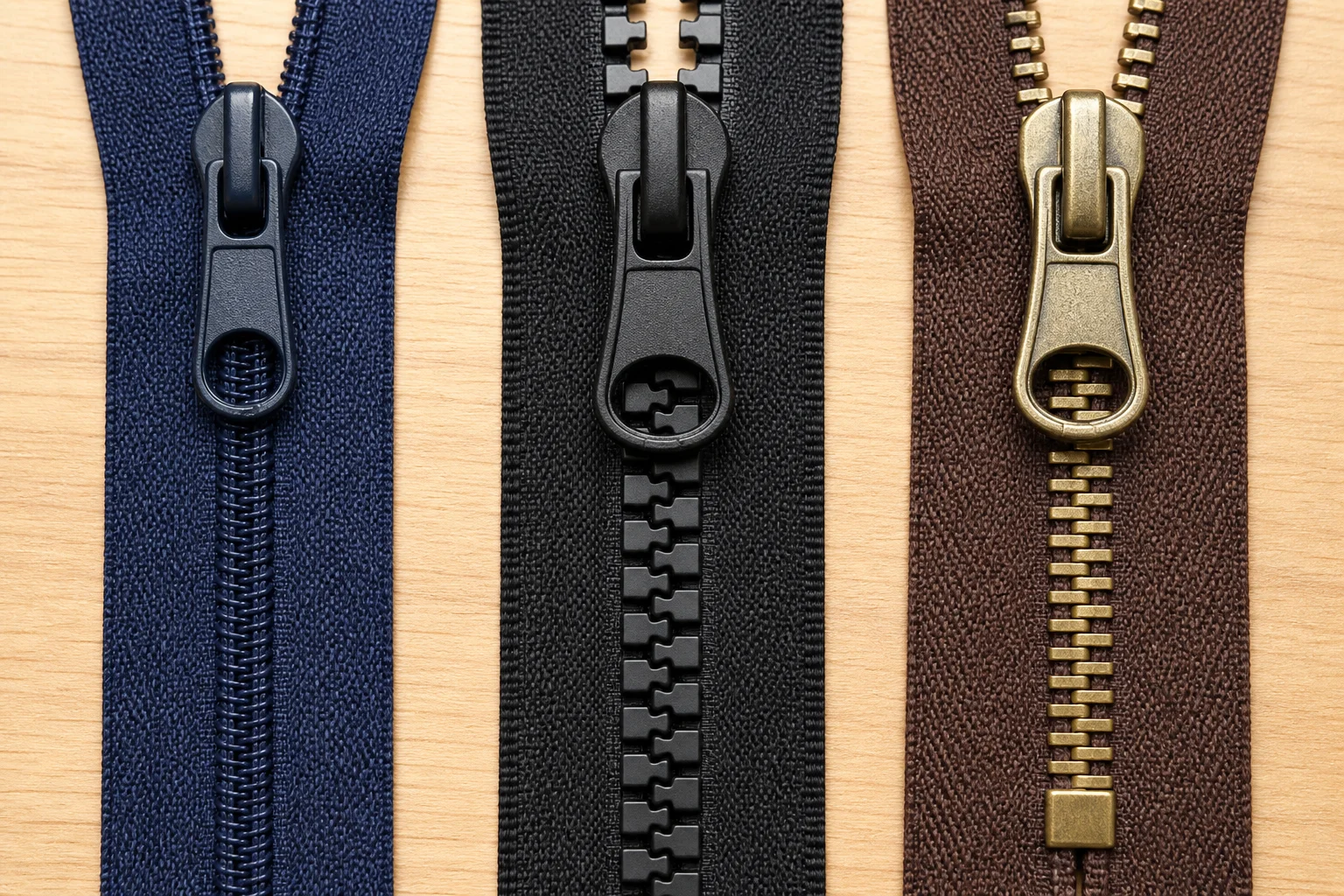
The zipper chain is the line of interlocking teeth — coil, molded or metal — that does the closing. The tape is the fabric strip sewn into the bag that carries the chain. The slider rides the chain to open and close it, and the pull is what your customer grips.
At each end sit the stops: the top stop keeps the slider from running off the chain, and the bottom stop or box-and-pin assembly finishes the lower end. On separating zippers, the pin and box allow the two sides to part completely, as on jackets and opening bags.
Why each part needs a specification
Each part has its own quality variables. The chain needs the right material and tooth size; the tape needs the right width, weave and color; the slider needs the right size, action and finish to match the chain; the pull needs a shape and finish that suit the bag.
Specifying only “a zipper” leaves every one of those variables to the factory’s convenience. Specifying the parts — chain type and size, tape width and color, slider style, pull design — turns the zipper from a gamble into an engineered component.
The invisible mechanics
The interaction between parts is where quality reveals itself. A slider slightly too large for the chain feels loose; one too small strains and jams. The slider’s internal spring tension decides how firmly it stays in place, and the pull’s attachment decides whether it snaps off under use.
These are the details that zipper makers engineer and generic suppliers ignore. When a factory names the zipper brand it uses, it is signaling that these mechanics are designed rather than accidental.
Zipper Types Compared
Three zipper constructions dominate bag making, and each earns its place through a different balance of flexibility, toughness and look. Choosing by the bag’s job beats choosing by habit.
Nylon coil zippers
Coil zippers are made from nylon filament coiled into interlocking spirals stitched to the tape. They flex around curves, run smoothly and quietly, and cost the least of the three types — which makes them the default for totes, pouches and curved pockets.
Their limitation is a lighter feel and lower resistance to abuse: a coil zipper forced past a jam can distort permanently. For everyday bags with reasonable care, coil zippers deliver the best value on the market.
Molded plastic zippers
Molded zippers have individual plastic teeth fused onto the tape, giving them a chunky, positive engagement. They are tough, weather-resistant and available in color-matched plastic that can disappear into the bag or make a statement.
Their strength suits backpacks, sport bags and kid’s products where durability matters more than elegance. The molded tooth profile reads more utilitarian, so fashion-led lines often prefer coil or metal even at the same price.
Metal zippers
Metal zippers use cast or stamped metal teeth — typically brass or aluminum — for a weighty, premium feel that fashion buyers recognize instantly. The metal finish can match the bag’s hardware, tying the whole product together visually.
Metal zippers cost more, weigh more and need the finish specified carefully so plating does not tarnish or flake. They shine on handbags and premium lines where the customer expects the zipper to feel as considered as the leather.
| Feature | Nylon coil | Molded plastic | Metal |
|---|---|---|---|
| Flexibility | Excellent | Limited | Limited |
| Strength | Good | Very good | Excellent |
| Premium feel | Light | Utilitarian | High |
| Cost | Lowest | Low-mid | Highest |
| Best bag use | Totes, pouches, curves | Backpacks, sports | Handbags, premium |
Separating versus non-separating
Beyond construction, zippers divide into separating and non-separating types. Non-separating zippers keep both sides joined at the bottom stop, which suits pockets and closures. Separating zippers open completely, which is why they appear on duffels, cases and convertible bags.
The distinction belongs in the specification because the hardware differs — a separating zipper needs the box-and-pin assembly, which adds cost and a failure point. Order the type the bag actually needs and no more.
Choosing Zipper Sizes
Zipper sizes describe the width of the chain in relation to a numbering system, and the number dictates the look, the strength and the correct slider. Matching the size to the bag’s weight and opening is a specification discipline.
What the size numbers mean
The standard sizing runs from small to large — number 2, 3, 4, 5, 8 and 10 cover the practical range for bags. The number relates to the chain dimensions: number 3 is the light workhorse for pouches and interior pockets, and number 5 handles most main compartments.
Number 8 appears on heavy travel bags and luggage, and number 10 on the most demanding industrial or outdoor products. The visible difference is the tooth size and the tape width — a bag’s zipper should look proportionate to its scale.
Matching size to the bag part
Most bags use two or three zipper sizes at once: a number 5 on the main opening, a number 3 on interior pockets and a number 4 where the design needs a middle ground. Matching the size to each part’s load and traffic avoids both the flimsy and the clunky.
Write the size per zipper position in the spec. A factory receiving “main zip no.5, pockets no.3” delivers consistency; one receiving “zippers” delivers whatever it has in stock.
Length and cut
Zippers are bought by the length, cut from continuous chain or ordered in finished lengths. The specification needs the exact finished length and where the stops sit, because a zipper a centimeter short ruins a perfectly cut panel.
Allow the factory to order zipper chain by the meter and cut to length with the stops applied — standard practice that keeps cost down. The spec still owns the length, the size and the stop positions.
Sliders, Pulls and Stops
The slider and pull are the customer’s daily contact with the zipper, and the stops decide whether the chain stays where it belongs. These parts carry the feel of the zipper even more than the chain does.
Slider types and actions
Sliders come in auto-lock and non-lock versions. Auto-lock sliders grip the chain when released, holding the zipper where you leave it — essential for backpack openings that would otherwise slide open under weight.
Non-lock sliders move freely and suit closures where the bag’s structure keeps the zip in place. The slider body size must match the chain number exactly, and its finish should carry the same plating language as the rest of the hardware.
Pull shapes and materials
The pull is a branding opportunity in miniature: metal pulls in custom shapes, leather pulls stitched to the slider, cord pulls for sporty lines. Each changes the grip, the look and the cost.
Choose the pull for the bag’s positioning. A custom metal pull adds identity at a small per-piece cost; a leather pull adds warmth that suits natural materials. Whatever the choice, specify the pull’s size, material and attachment so the factory cannot improvise.
Stops and their quiet job
Top and bottom stops prevent the slider from running off the chain, and their quality decides how long the zipper survives aggressive opening. A weak stop lets the slider escape — a failure customers report as “the zipper broke” when the chain is perfectly fine.
Specify reinforced stops on heavy-use zippers and verify the stops on the sample. The stop is invisible in the finished bag and indispensable in the working one.
Zipper Materials and Finishes
Beyond the chain construction, the zipper’s material story continues in the tape, the slider metal and the finish. These choices tie the zipper to the bag’s look and its price point.
Tape materials and colors
The tape is most often polyester, chosen for strength and dye consistency. Tape color should match or complement the bag material, and matching a custom bag color requires ordering tape dyed to the standard rather than picking from stock.
Ask the factory about tape color matching early: dyed-to-match tape adds lead time and a minimum order, so the sample should confirm the color before production rather than discovering drift in bulk.
Slider metals and plating
Slider bodies are commonly zinc alloy or brass, finished by electroplating in nickel, gunmetal, antique brass, gold or black. The finish language should echo the bag’s other hardware so the zipper reads as part of the same design.
Metal zippers on the chain itself carry the same finish consideration — the teeth are the visible metal on the bag’s edge, and a poor plating job on metal teeth tarnishes fast and looks worse than plastic ever would.
Water-resistant and coated zippers
For outdoor and travel bags, water-resistant zippers use a coated tape and sealed construction that resists moisture penetration. They trade some flexibility for protection and cost more, so they belong where rain is a real use case.
Specify water-resistant zippers only where the product needs them — on a rain cover or a weatherproof compartment — rather than across the whole line, where the extra cost buys no customer value.
Zipper Brands and Grades
The zipper industry runs on established brands whose specifications and testing are published and trusted. Naming a brand in the specification is the fastest way to set a verifiable quality floor.
The brands worth knowing
YKK is the global reference for zippers, with a reputation built on consistent quality and rigorous testing; its Excella line is the premium reference for fashion. Other reputable makers — such as SBS and RIRI for luxury — fill different price and performance positions.
RIRI occupies the luxury end with Swiss-made precision; SBS offers solid quality at more accessible prices and supplies much of the world’s bag production. Between them, the market has a grade for every positioning from mass market to high fashion.
Why grade matters more than brand
Within any brand, zippers carry grades. The difference shows in the slider’s spring, the tape’s density, the plating’s thickness and the testing behind the product. The brand is a shortcut; the grade is the real specification.
Ask the factory for the exact brand and model line, not just the brand name. “YKK” tells you the maker; the model and size tell you what the zipper will actually do in your bag.
Verifying what the factory uses
Confirm the zipper brand and model on the sample and in the production spec, and check the bulk delivery against it. Substituting an off-brand zipper at production time is one of the most common silent cost cuts in the industry.
A factory that works with established zipper brands keeps its own supply chain honest. Ask which zipper lines it stocks and which it recommends for your bag’s use, then verify the recommendation on the sample.
Zippers Across Bag Types
Different bag styles stress zippers in different ways: the daily grind of a backpack opening, the occasional use of a formal clutch, the weight of a travel bag’s main compartment. The pattern table below is a practical starting reference.
What each bag type demands
| Bag type | Typical zipper | Why |
|---|---|---|
| Tote | No.5 coil, non-separating | Flexible, affordable, smooth |
| Backpack | No.5 molded or coil, auto-lock | Tough, stays where left |
| Handbag | No.5 metal or coil, branded pull | Premium feel, identity |
| Travel bag | No.8 coil or molded | Heavy loads, frequent use |
| Pouch | No.3 coil | Light, curves, pockets |
The table is a starting point, not a rule — a luxury tote may justify a metal zipper for feel, and a budget backpack may use coil for cost. The pattern exists so you know the default before you change it deliberately.
Interior zippers versus main zippers
Interior pockets use lighter zippers than main openings, and buyers sometimes over-specify them. A number 3 coil on an interior pocket does its job quietly; the premium belongs on the zippers the customer sees and uses most.
Balance the specification across the bag: spend the zipper budget where the customer’s hand goes — the main compartment and the front flap — and keep hidden zippers functional rather than extravagant.
When the bag has no zipper
Not every bag needs one, and the design decision is worth making consciously. Magnetic closures and flap designs offer faster access and a cleaner look; zip closures offer security and weather protection.
If the bag carries valuables or travels, the security of a zipper usually wins. If the bag is about access and style — a market tote, a bucket bag — the closure should match the use rather than follow a habit.
Zipper Testing and Quality
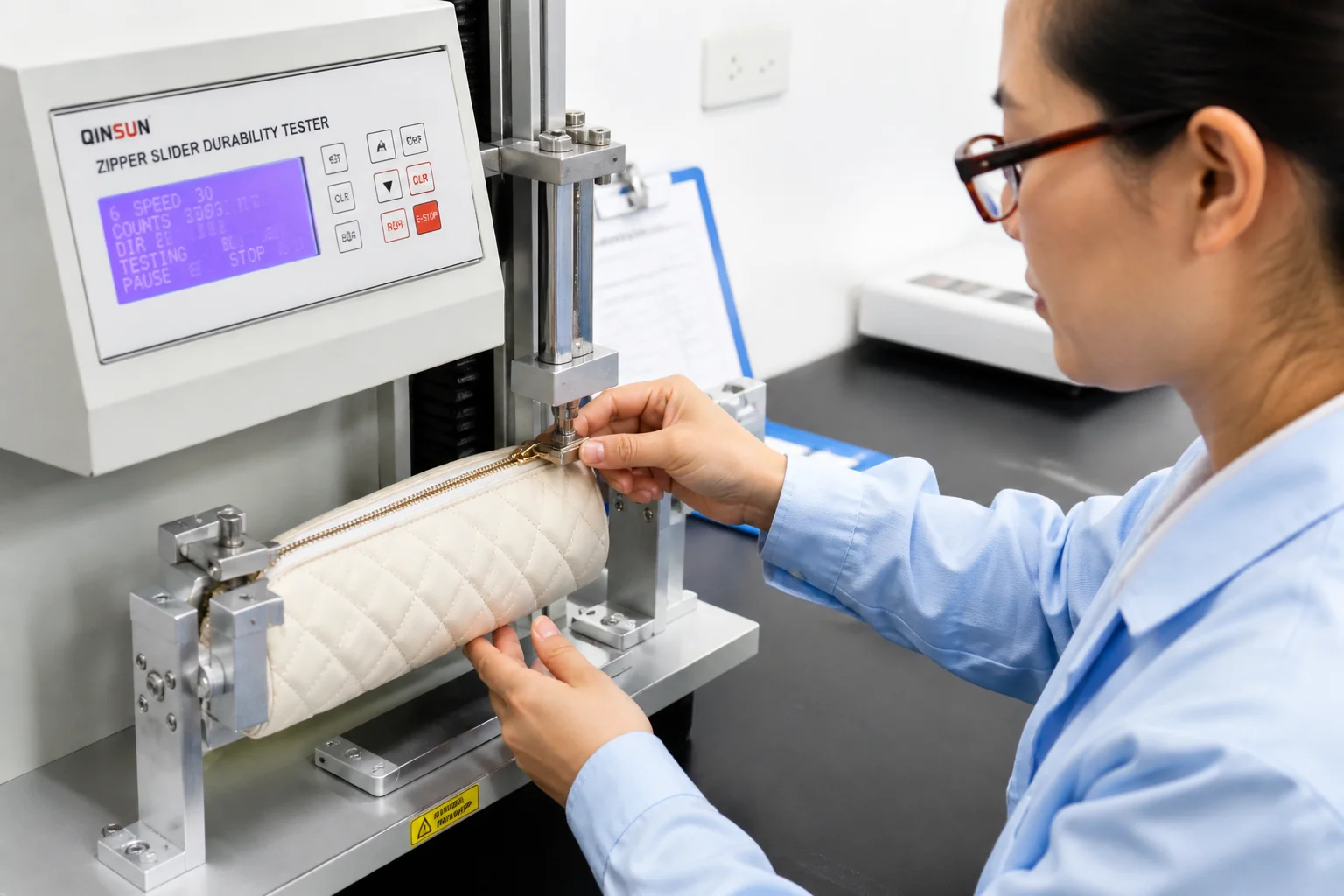
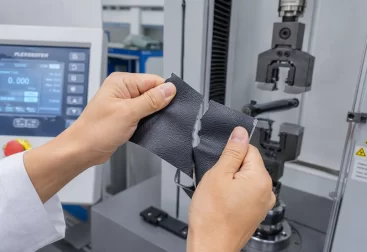
Zipper quality is measurable, and the measurements are worth running before production rather than discovering through returns. The tests below are the ones professional buyers and zipper makers use.
The cycle test
The cycle test opens and closes the zipper thousands of times under a defined load and measures wear in the chain, the slider and the stops. A bag zipper passing its cycle count with smooth action is a zipper that will survive real daily use.
Ask for the cycle count the factory’s zipper achieves and the standard it tests against. The number turns “good zipper” from an opinion into a specification.
Slider strength and locking tests
The slider’s pull-strength test applies force to the pull and the slider body to expose weak castings or weak attachments. The locking test checks that an auto-lock slider holds the chain firmly when released, under load.
These two tests catch the failures that feel like design flaws to customers: pulls that snap off in the hand and zippers that creep open as the bag is carried. Both belong in the sample approval routine.
Plating and material checks
Finish tests assess the plating’s resistance to abrasion, perspiration and salt corrosion — the everyday chemistry of hands and weather. A slider finish that fails these tests tarnishes or flakes within weeks of retail.
Request the finish test results for metal zippers and metal sliders. The plating thickness and process determine the look’s lifespan, and the report tells you which zipper will still look right in season two.
Common Zipper Failures
Zipper problems follow recognizable patterns, and each pattern points to a different cause and fix. Knowing them lets a buyer diagnose a sample issue fast and prevent the failure class in production.
The slider slips off the chain
When the slider runs off the end, the top stop has failed or was omitted. The cause is usually a weak stop or an aggressive opening habit. The fix is a reinforced top stop on heavy-use zippers — a tiny change that removes a frequent complaint.
The zipper separates or jams
A zipper that opens behind the slider or jams mid-run usually means a size mismatch — the slider too large or small for the chain — or a chain distorted by forcing. The fix is matching the slider to the chain number and educating the sample review to test the action gently.
Teeth gap or chain distortion
When the chain develops a gap or the teeth no longer mesh, the zipper has been strained past its design — often by overstuffing the bag or forcing the zip around a curve it cannot take. The design fix is a larger size or a coil zipper that flexes.
The pattern across these failures: most zipper complaints trace to specification or sizing, not to random bad luck. Each failure class has a spec answer, which is why the specification discipline pays for itself.
Specifying Zippers for Production
The zipper specification is a short document with a big job: it tells the factory exactly what to order, what to sew and what to test, and it gives you the reference to check the delivery against.
The complete zipper specification
Write down the position, the construction type, the size number, the finished length, the tape width and color, the slider type and finish, the pull design, the stops, the brand and grade, and the test standard. Ten lines of spec prevent ten kinds of surprise.
Attach a photo or sketch of the zipper position and the pull. The combination of words and image removes the ambiguity that generates the factory’s questions and the buyer’s corrections.
Approving the zipper sample
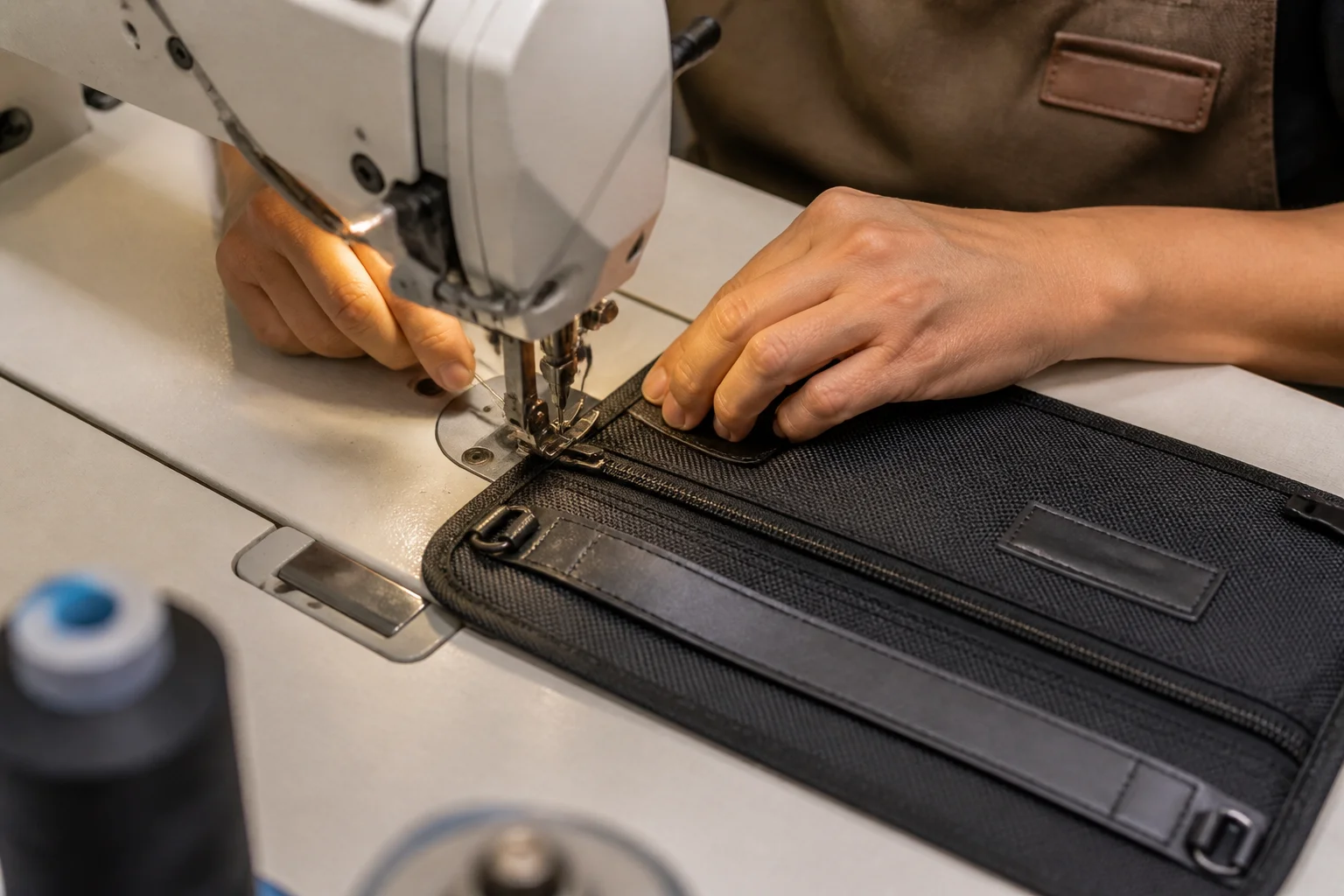
Test the sample zipper in the actual bag: run the action, check the lock, examine the finish in daylight and compare the tape color against the material. Approve it physically and keep a sealed reference for the production check.
On the first production run, check the delivered zippers against the reference before sewing begins. Catching a substitute at delivery costs an hour; catching it in the finished bag costs a return.
The substitution rule
Require written confirmation before any zipper brand, model, size or finish change. Silent substitution is how the specified zipper becomes the economy version while the invoice and the sample tell a different story.
A zipper specification is ten lines that save a season of returns. Write the size, the type, the slider, the pull, the finish and the brand — then hold the factory to every one of them.
FAQ
Which zipper type is best for a handbag?
Metal zippers give handbags the premium feel buyers expect, with coil zippers as a smooth, flexible alternative on softer styles. Choose metal when the look must carry weight, and coil when curves and lightness matter more.
What does a zipper size number mean?
The number relates to the chain’s tooth width and dimensions — number 3 suits pockets, number 5 is the everyday main-compartment workhorse, and number 8 handles heavy travel bags. Match the size to the bag part’s load and visual scale.
Is YKK really better than other zipper brands?
YKK’s consistency and testing make it the industry reference, while RIRI leads the luxury segment and SBS offers strong quality at accessible prices. The brand is a shortcut; the model and grade are the real specification to verify.
How do I test a zipper sample properly?
Run the zipper action in the finished bag, check the auto-lock holds under load, and examine the finish and tape color in daylight. For volume orders, ask for the cycle test result and compare the delivery against the sealed approved sample.
Why does my zipper keep sliding open on backpacks?
The backpack zipper likely lacks an auto-lock slider, which grips the chain when released. Specify auto-lock for vertical openings that carry weight — it holds the zipper where the user leaves it instead of creeping open.
How much does a better zipper add to cost?
Stepping from an economy coil zipper to a quality brand or a metal zipper adds a modest amount per bag — usually the smallest line in the bill of materials. The upgrade removes a leading return cause, which makes it among the cheapest quality insurance available.
Should interior pockets use the same zipper as the main opening?
Not necessarily — lighter zippers on interior pockets are standard and sensible. Spend the zipper budget where the customer’s hand goes: the main compartment and visible openings. Hidden pockets need function, not extravagance.
How do I prevent the factory from substituting zippers?
Write the brand, model, size and finish into the specification, approve the physical sample and require written confirmation before any change. Check the bulk delivery against the sealed reference before sewing begins.
Can zipper tape be color-matched to my bag material?
Yes — zipper tape is dyed to the bag’s color standard, though custom dyeing adds lead time and minimums. Confirm the match on the sample in daylight before production, because tape color drift is a common and visible quality complaint.
When should I use a water-resistant zipper?
Use water-resistant zippers where weather protection is a real use case — rain covers, outdoor compartments and travel bags. The coated tape and sealed construction cost more and flex less, so reserve them for the parts that need them rather than the whole line.
Next Steps: Specify Zippers with Confidence
The zipper decision is a system, not a guess: understand the anatomy, choose the type by the bag’s job, match the size to the part, name the brand and grade, test the sample and control the production. Run the system once and every bag in the line inherits the protection.
A factory that stocks quality zippers and tests them on every run makes the system easy to operate. That is the standard our factory works to — ask us how we select, sample and verify zippers on every order, from first sample to final inspection.
Designing a bag line and want zippers specified right? Contact our team at info@gionar.com for zipper selection support on your next order.
Related reading: our custom bag manufacturing portfolio shows how zippers, materials and hardware come together in production.